

Nordic Seafood Fine Dining in Oslo
- cgiinternationalin
- 7 days ago
- 6 min read
A langoustine arrives barely warm, brushed with a clear glaze that deepens rather than masks its sweetness. The next bite may be raw scallop with a measured cut of acidity, or nigiri where the rice sits just below body temperature and the fish is allowed to speak first. This is where nordic seafood fine dining becomes distinct - not through excess, but through control.
In Oslo, seafood has always had obvious advantages. Access matters, but access alone is not enough. Fine dining asks more of fish and shellfish than freshness. It asks for judgment: when to serve something raw, when to cure it, when to age it briefly, when to apply smoke, heat, or fermentation, and when restraint is the higher skill. The Nordic approach, at its best, treats the ingredient with a kind of disciplined clarity. The Japanese influence brings another layer - precision in knife work, texture, temperature, sequencing, and an understanding that a meal can move with quiet intention rather than spectacle.
What defines nordic seafood fine dining
The phrase can be overused, but in a serious restaurant it has a very specific meaning. It is not simply seafood served in a stylish room. It is a cuisine built around cold-water species, short seasonal windows, and a respect for product purity that leaves very little room for error. Turbot, halibut, Norwegian scallops, langoustine, king crab, oyster, trout roe, and caviar all ask for different handling. The quality is visible immediately. So is the technique.
Nordic cooking contributes a strong sense of place. That may show up through herbs gathered at their peak, a broth built from shells and bones rather than cream, or vegetables used with the same seriousness as the fish itself. Japanese technique introduces an exacting approach to cuts, curing, stock work, vinegared rice, and pacing. Together, the result can feel unusually composed. Not fusion as novelty, but two traditions meeting in their shared respect for balance.
This is also why seafood-led tasting menus tend to be the natural format. A set progression allows the kitchen to calibrate rhythm, weight, and contrast. A raw course can be followed by something gently steamed, then a richer preparation, then a cleaner reset. Guests are not choosing from categories. They are giving themselves over to the kitchen's point of view.
Why Oslo suits the format
Oslo has the right audience for this style of dining because the city understands both luxury and understatement. Diners here do not necessarily want a loud performance. They want confidence, detail, and a sense that every element has earned its place. That expectation aligns naturally with seafood-focused tasting menus, where the margin for carelessness is very small.
The city also benefits from proximity to exceptional raw material. Yet the most interesting restaurants are not those that rely on provenance as a slogan. They are the ones that translate provenance into form. A pristine scallop is only the starting point. What matters is whether it is cut correctly, seasoned at the right moment, paired with something that sharpens its sweetness, and served at a temperature that preserves its texture.
Oslo's dining scene has matured around exactly this kind of judgment. Internationally experienced service teams, stronger supplier relationships, and guests who are comfortable with reservation-based dining all support a more focused, chef-led model. That makes the city particularly suited to nordic seafood fine dining as a full-evening experience rather than a quick luxury meal.
The role of Japanese technique in a Nordic setting
Japanese influence works best here when it sharpens the natural character of Nordic seafood instead of covering it. Sashimi and nigiri are obvious expressions, but the deeper influence is structural. It appears in the precision of preparation, the discipline of seasoning, and the sequencing of a menu that values tempo as much as flavour.
Consider how rice changes a bite of seafood. In nigiri, it is not a side note. Its temperature, pressure, vinegar profile, and size determine whether the fish floats or collapses. Or think about curing. A light kombu treatment can concentrate umami without making the fish feel processed. A broth can borrow from dashi logic while remaining rooted in Nordic ingredients. These details are small in appearance and decisive in effect.
There is also a philosophical compatibility between the two traditions. Both are capable of great austerity. Both value seasonality not as marketing language, but as a practical and aesthetic framework. Both understand that refinement often comes from subtraction. When done properly, the guest experiences that harmony not as concept, but as ease.
Seasonality is not decoration
Seafood fine dining often gets associated with luxury products alone, but the most convincing menus are seasonal in a broader sense. That means understanding when shellfish are at their sweetest, when a particular white fish has the right texture, when sea herbs are most expressive, and when colder months call for deeper extraction and warmer dishes.
Seasonality also shapes the supporting cast. Spring may ask for green sharpness and delicacy. Autumn can carry smoke, roe, mushroom, and richer sauces with more confidence. The menu changes because the ingredients demand it, not because change itself is a performance.
This matters in a tasting format. Repetition of richness can flatten even the finest ingredients. A kitchen that respects seasonality knows how to keep a seafood-led menu vivid from the first snack to the final savoury course.
Service as part of the cuisine
At this level, the dining room is not separate from the kitchen's work. Service is part of the composition. The way a course is introduced, the timing between plates, the pace of a pairing, and the transition from table to lounge all influence how the meal is understood.
Quiet luxury in fine dining is often a matter of control. Nothing feels hurried, but nothing drifts. Glassware appears when it should. Explanations are concise and informed. The guest is guided rather than managed. That style is especially important with seafood-forward menus, where temperatures are exact and the difference between excellent and merely good can be a matter of minutes.
For many diners, this is where value becomes clear. They are not paying only for ingredients. They are paying for precision across the entire evening - from reservation flow to the final pour after dinner. That is why strong front-of-house leadership matters as much as culinary talent.
Luxury means precision, not abundance
There is a persistent misconception that luxury dining must signal itself through abundance. In reality, the most persuasive form of luxury is accuracy. A spoon of caviar can feel excessive in the wrong context and perfectly judged in the right one. The same is true of truffle, king crab, or aged tuna. Premium ingredients matter, but they only carry weight when the kitchen shows restraint.
A composed seafood tasting menu succeeds when each course has a clear reason to exist. One bite may be almost transparent in flavour. Another may offer depth and concentration. A richer main can arrive only after enough freshness and acidity have prepared the palate for it. This kind of editing is difficult, and guests who know fine dining tend to recognise it immediately.
Choosing the right nordic seafood fine dining experience
For diners considering where to book, the key question is not simply whether a restaurant serves excellent seafood. It is whether the entire experience feels coherent. Menus that rely too heavily on concept can feel forced. Rooms that are luxurious but disconnected from the kitchen rarely leave a lasting impression. The strongest restaurants align product, technique, atmosphere, and service into one point of view.
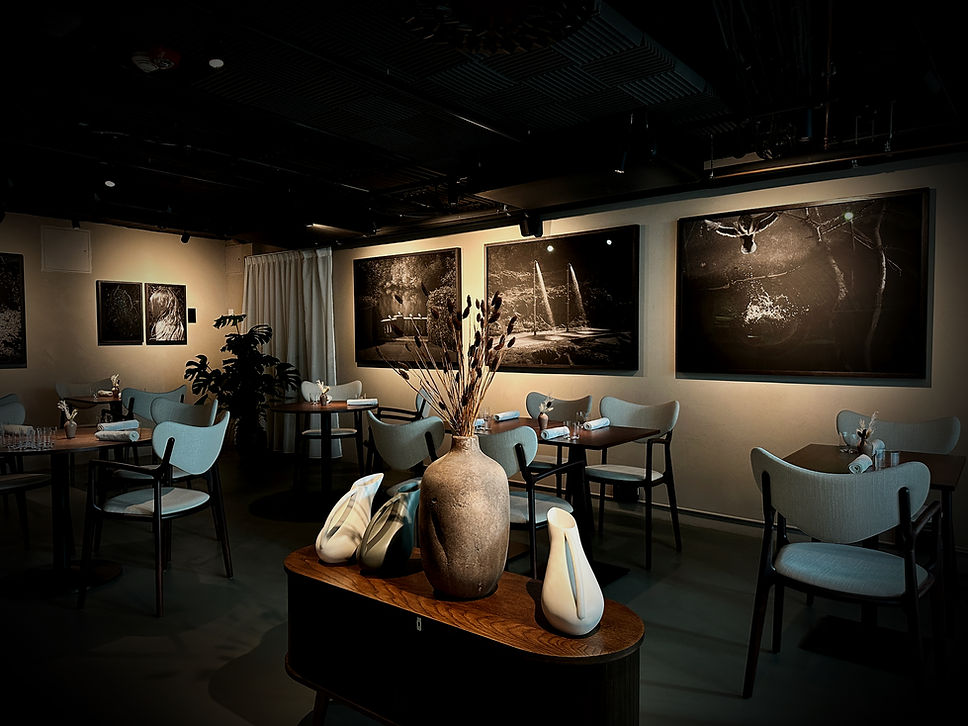
That usually means a set-menu format, a compact and focused service window, and a kitchen willing to commit to a clear identity. In central Oslo, Substans represents that approach with unusual discipline, combining Nordic seafood and seasonal produce with Japanese sensibility in a tasting experience designed as a complete evening.
For guests, the reward is not simply a series of refined plates. It is the feeling of having been somewhere exacting and calm, where every choice has been considered. In seafood fine dining, that matters more than novelty. Fish and shellfish leave nowhere to hide, which is precisely why they can produce such memorable meals when handled with care.
The best evenings stay with you because they feel inevitable once they have happened. A sequence of precise flavours, a room that never strains for effect, service that understands timing, and ingredients treated with real respect - that is what makes this style of dining worth seeking out in Oslo.


Comments