

Best wine pairing Oslo for refined dining
- cgiinternationalin
- 3 days ago
- 6 min read
A precise pairing can change the pace of a meal. In a city where ambitious kitchens work closely with seasonality, the search for the best wine pairing Oslo offers is rarely about the longest list or the rarest label. It is about judgement - when to add tension, when to soften a saline edge, and when a glass should step back and let the plate speak.
For diners choosing a tasting menu in Oslo, wine pairing is not an accessory. It is part of the architecture of the evening. That matters even more when the food is seafood-led, technique-driven, and built on small shifts in temperature, texture, and acidity. In those settings, a pairing programme has to do more than impress. It has to remain exact from the first snack to the final savoury course.
What defines the best wine pairing Oslo diners should look for
At the highest level, wine pairing begins with restraint. Many ambitious restaurants can source interesting bottles. Fewer know how to place them with discipline. A serious pairing should feel composed rather than showy. You should notice a clear point of view in the sequence, but never feel that the wine is competing for attention.
That usually starts with structure. For Japanese Nordic cooking, especially where raw seafood, lightly cured fish, shellfish, and refined broths shape the menu, balance is often built through acidity, mineral tension, and careful control of oak and extraction. Heavy reds and overly aromatic whites can flatten delicate flavours quickly. The best programmes in Oslo understand that precision matters more than volume.
It also helps when the service team reads the room well. Some guests want commentary on producer, region, and vintage variation. Others want the pairing to unfold quietly. Luxury service lies in knowing the difference. A polished pairing experience is partly about the glass, but equally about timing, temperature, and how naturally the information is delivered.
Best wine pairing Oslo in seafood-led tasting menus
Oslo has become an especially compelling city for pairings because the local dining scene suits wines with nerve. Cold-water seafood, clean flavours, and seasonal produce create ideal conditions for wines that carry freshness and detail. That can mean classic regions, but it can also mean a broader European frame where savoury whites, fine mousse, and light-bodied reds perform with unusual clarity.
In seafood-led tasting menus, sparkling wine often earns its place early, though not always in the obvious way. A sharp, linear style can bring appetite and energy to the opening bites, but if the snacks already carry high salinity or marked acidity, the better choice may be something with softer texture and less aggressive cut. This is where thoughtful pairing separates itself from habit.
For sashimi and nigiri courses, the margin for error narrows. Rice seasoning, soy-based elements, citrus, and the natural fat of the fish all influence the result. A wine that works with one slice of lean white fish may struggle with richer tuna or a lightly torched piece. The strongest pairing programmes account for that complexity by choosing wines with enough tension to stay clean, but enough texture to hold umami. Sometimes the answer is a finely tuned white Burgundy. Sometimes it is a more discreet alpine or German expression. The point is not the label. The point is proportion.
With warm seafood courses, the wine can widen slightly. Broths, beurre blanc-style sauces, grilled elements, or richer shellfish preparations give space for more layered whites and, in some cases, very delicate reds served with care. That said, the old instinct to move steadily toward power is not always useful. In many modern tasting menus, finesse remains the central thread from beginning to end.
Why Japanese Nordic cuisine changes the pairing logic
Japanese Nordic cuisine asks unusual things of wine. It values purity, but also fermentation, smoke, curing, and quiet forms of depth. It can move from raw and translucent to deeply savoury in a few courses, without ever becoming heavy. That makes pairings more intellectually demanding than in menus built around richer sauces and obvious progression.
The Japanese side of the equation rewards sensitivity to umami and texture. The Nordic side often introduces brine, herbs, acidity, and a strong sense of season. Together, they call for wines that are composed, not blunt. You often want precision in the attack and calm length on the finish. Excessive ripeness can feel clumsy. Too much oak can mask detail. Too much tannin can make iodine, seaweed, or cured fish taste metallic.
This is one reason many of the most successful pairings in this style avoid formula. There is no universal answer such as white wine with fish and red wine with meat. If a menu includes shellfish with brown butter notes, a smoky broth, or a glazed savoury course, the wine has to be chosen around the actual dish, not the category.
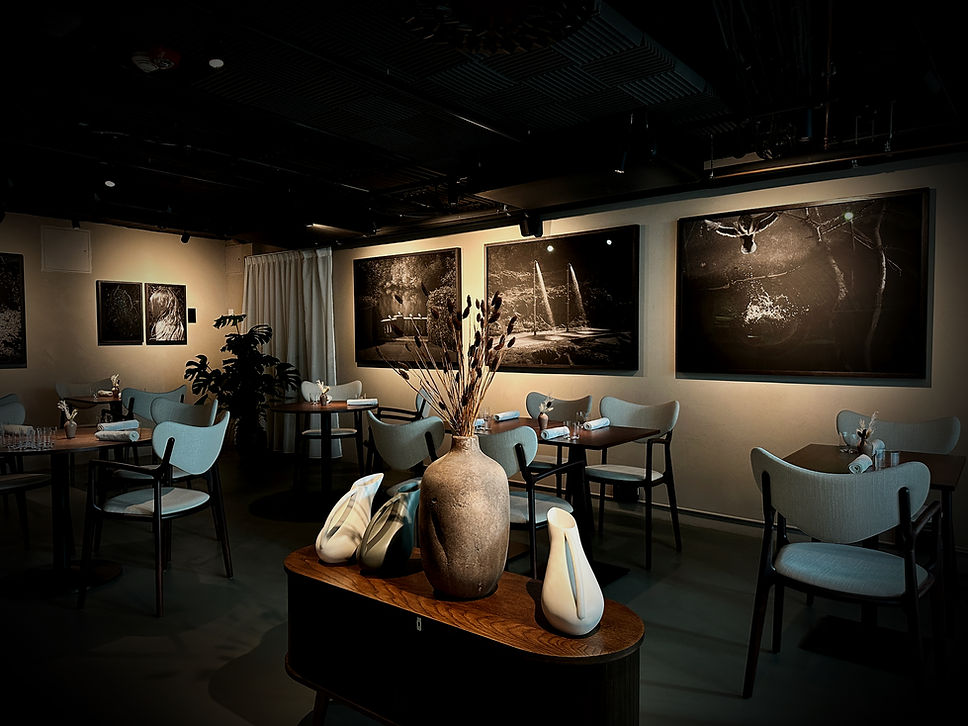
For a restaurant such as Substans, where the meal is built as a curated progression rather than a broad à la carte choice, that precision becomes even more important. A pairing has to serve the entire narrative of the evening, course by course, with no room for drift.
How to judge a pairing before you book
If you are deciding where to reserve, there are a few signs worth paying attention to. The first is whether the restaurant treats pairing as part of its identity or as an optional add-on. In serious tasting-menu restaurants, the pairing is usually considered early in menu development, not after the dishes are finished.
The second sign is how the restaurant speaks about ingredients and style. If the kitchen emphasises seasonality, seafood, and technique, the wine programme should reflect the same values. That does not mean the list must be obscure or aggressively sommelier-led. It means the selection should show purpose.
The third sign is service pedigree. In fine dining, the difference between a good pairing and a memorable one is often execution. Correct stemware, exact pouring points, disciplined pacing, and confidence without over-explaining all matter. A great wine can feel ordinary if it arrives at the wrong moment or at the wrong temperature.
There is also the practical question of your own preferences. Some guests want classic regions and benchmark producers. Others are more interested in discovery. Neither approach is inherently better. What matters is whether the programme has internal coherence. A pairing can be adventurous and still feel elegant. It can be classic and still feel fresh.
The trade-offs behind great pairings
The best wine pairing Oslo can offer will not be identical for every guest, because pairing is partly personal. If you value intellectual surprise, you may prefer a programme that reaches into lesser-known regions and styles. If you care most about polish and familiarity, you may respond more strongly to a classic cellar handled with precision.
Price is another factor, though not always in the expected way. A more expensive pairing is not automatically the better one. Cost often reflects producer prestige, rarity, or depth of cellar. Quality, however, comes from fit. A modestly priced grower Champagne or focused mineral white can outperform a grander bottle if it understands the dish better.
There is also a stylistic trade-off between contrast and harmony. Some pairings aim to mirror the flavours on the plate. Others create relief - cutting richness, cleansing salinity, or cooling spice. The most thoughtful programmes use both methods, depending on the course. Too much harmony can become predictable. Too much contrast can feel restless.
What experienced diners often remember most
It is rarely the single most expensive pour. More often, it is the moment when food and wine briefly become inseparable. A shellfish course suddenly tastes sweeter. A piece of nigiri feels longer and cleaner on the palate. A savoury broth becomes more transparent rather than more intense. These are subtle effects, but in refined dining they are often the difference between a very good meal and one that stays with you.
That is why the best pairings tend to feel almost understated. They do not announce themselves too loudly. They sharpen attention. They give shape to the evening without interrupting it.
In Oslo, that standard is increasingly visible. The city has the ingredients for it - serious kitchens, access to exceptional seafood, and diners who appreciate detail. If you are choosing where to spend a full evening, look for the restaurant where the pairing feels as composed as the cooking itself. When that balance is right, the meal does not simply progress. It settles into memory.



Comments