

How Fine Dining Wine Pairings Work
- cgiinternationalin
- 12 minutes ago
- 6 min read
A pairing can change a course completely. The same piece of nigiri may feel brighter, deeper, or more saline depending on what is in the glass beside it. That is the real answer to how fine dining wine pairings work - not as a rulebook, but as a controlled conversation between food, wine, temperature, texture, and timing.
In a serious tasting menu, the pairing is never an accessory. It is part of the architecture of the evening. Each pour is chosen to sharpen detail, soften edges, extend length, or shift the guest's attention to a specific quality in the dish. When it is done well, the wine does not dominate the plate, and the plate does not flatten the wine. Both become more precise.
How fine dining wine pairings work in practice
At a high level, pairing is about balance. In practice, balance is more exacting than matching fish with white wine or meat with red. A sommelier is looking at fat, salt, acid, sweetness, bitterness, umami, temperature, and aromatic intensity all at once. The structure of the wine must meet the structure of the dish.
A delicate raw scallop with a clear, sweet finish needs a very different partner than grilled turbot with browned butter, even though both are seafood. The first may call for tension, mineral clarity, and restraint. The second may benefit from more breadth, a little texture, and perhaps subtle oak influence if the wood supports rather than obscures.
This is why fine dining pairings can feel surprising. A wine is not chosen because it seems obviously correct. It is chosen because it resolves a specific need in the dish.
The core principles behind a strong pairing
Acidity creates lift
Acidity is often the most useful tool in pairing. It refreshes the palate, cuts through fat, and brings definition to rich or oily ingredients. In a menu built around seafood, acidity is especially important because it preserves clarity.
Consider a dish with cured fish, crème fraîche, or a glossy butter sauce. Without freshness in the glass, the course can start to feel heavy. A wine with bright acid brings line and energy back into the experience. That does not always mean sharpness. The best pairings feel composed, not aggressive.
Texture matters as much as flavour
Guests often focus first on aroma and taste, but texture is just as important. A wine can be chalky, creamy, taut, silky, or phenolic. Food can be crisp, raw, fatty, gelatinous, or airy. Pairing works best when these textures are considered together.
This matters greatly in Japanese Nordic cooking, where subtle differences in cut, cure, and temperature carry much of the dish. Sashimi, for example, may look simple, yet the texture of the fish is central to the experience. A wine with too much weight can overwhelm it. A wine with fine tension and quiet length can support it without compression.
Salt and umami change everything
Salt tends to make wines feel softer and more generous. Umami is more complicated. It can make tannins feel harder and expose bitterness or alcohol if the pairing is not carefully judged.
That is one reason heavily tannic reds are often difficult with seafood, soy-based seasoning, mushrooms, seaweed, or long-aged savoury elements. There are exceptions, of course, but in refined menus the safer path is usually a wine with freshness, moderate extraction, and aromatic precision rather than brute force.
Intensity must be aligned
A pairing does not need to mirror flavour, but the intensity should feel proportionate. A subtle dish can disappear beside a loud wine. An assertive course can make a fragile wine taste hollow.
The key is measured progression. Early courses usually ask for detail and lift. As the menu develops, the wines may gain width, depth, or aromatic complexity. That progression helps the evening feel coherent rather than disjointed.
Why tasting menus require a different pairing logic
A la carte pairing is usually built around one or two dishes. A tasting menu is different because the sommelier is pairing not only to each course, but to the sequence as a whole.
That means every glass must do two jobs. It has to work with the dish in front of the guest, and it has to prepare the palate for what comes next. A brilliant pairing on its own can still be wrong if it disrupts the rhythm of the menu.
For this reason, pacing is essential. Pour size, serving temperature, and the transition between styles matter almost as much as the individual selections. If the wines become too rich too early, the menu loses shape. If they remain too restrained for too long, the evening can feel static.
In a well-composed pairing, there is a sense of movement. A crisp opening may lead into more layered whites, perhaps a wine with lees texture or gentle oxidative notes, then into something broader for a warm savoury course, and finally into a sweet or fortified finish only if the menu truly calls for it. The route depends entirely on the food.
How seasonality affects the glass
Seasonality is not only a kitchen principle. It should be present in the beverage pairing as well. A spring menu built around young herbs, shellfish, and cool green flavours often benefits from sharper profiles and lighter body. Autumn menus may invite more texture, more spice, and a little more warmth.
But seasonality in fine dining is not about stereotypes. It is about the exact ingredients and techniques of the moment. A winter dish can still need freshness if the preparation is raw and saline. A summer course can still support a textural, serious wine if it carries smoke, fermentation, or richness.
In this sense, the sommelier is reading the kitchen's language. The best pairings feel as if they belong to the same season and the same philosophy as the food.
The role of contrast versus harmony
Many guests assume pairings are meant to match like with like. Sometimes they are. A mineral wine with oysters or a clean sparkling wine with a fried bite can feel naturally harmonious. But contrast is equally important.
A rich dish may need tension more than similarity. A sweet, delicate shellfish may become more vivid against a dry, stony white than it would beside a wine that echoes its sweetness. Likewise, a lightly smoky element may be better lifted by freshness than repeated by oak.
This is where expertise becomes visible. Anyone can choose a wine that resembles the dish. A fine dining pairing asks a harder question: what does the dish need in order to show more of itself?
Why the best pairings often feel understated
Luxury in pairing is often quiet. It may come from a rare bottle, but more often it comes from discipline. The right wine at the right moment can seem almost effortless because nothing is exaggerated.
This is particularly true in menus that value ingredient purity. Premium seafood, careful knife work, precise seasoning, and measured use of fat all call for restraint in the glass. The wine should add dimension, not noise.
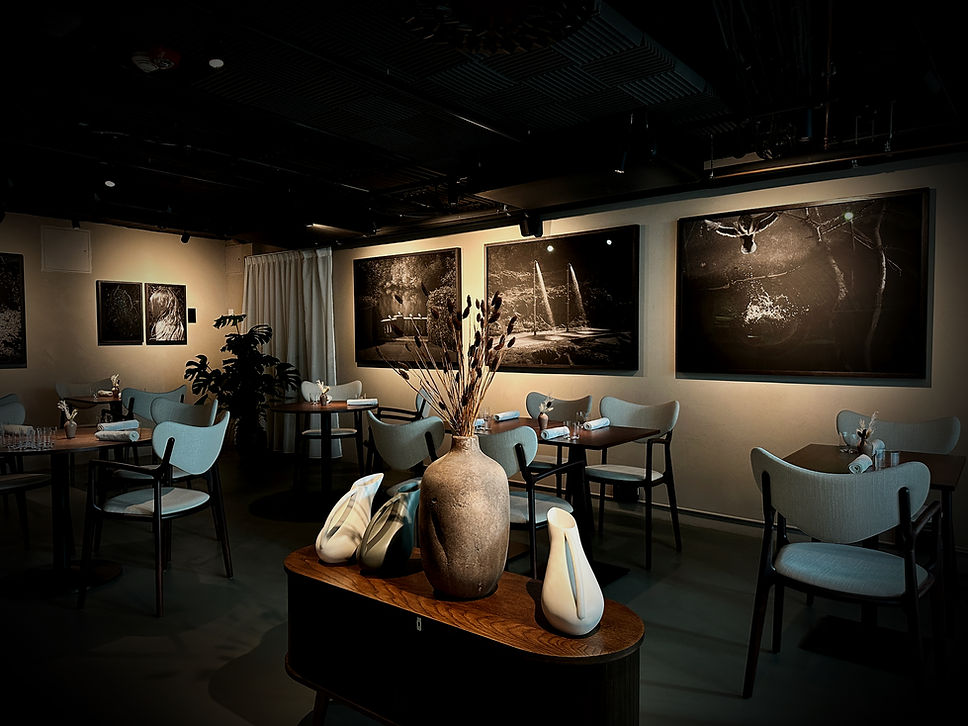
At a restaurant such as Substans, where Japanese sensibility and Nordic clarity meet in a tightly paced set menu, that restraint is not minimalism for its own sake. It is a form of respect. A pairing should never cloud the line of the dish.
Fine dining service is part of the pairing
One detail guests often overlook is that service itself influences the success of a pairing. The same wine can show differently depending on glassware, serving temperature, decanting, and when it is poured in relation to the dish.
If a white is served too cold, its aroma and texture may be muted. If a red is too warm, alcohol can dominate. If the pour arrives too early, the wine may evolve away from the course. If it arrives too late, the first bites are disconnected from the intended experience.
This is why serious front-of-house teams matter. Pairing is not simply a list prepared in advance. It is a live act of calibration through the course of service.
What guests should expect from a pairing menu
A thoughtful pairing should feel considered rather than performative. Not every glass needs to be rare, expensive, or dramatic. It needs to be right. Sometimes that means classic regions and familiar logic. Sometimes it means a less obvious selection because the flavour profile is more exact.
Guests should also expect variation. A strong pairing menu may include sparkling wine, still wines of different structures, and occasionally sake or other beverages if they suit the cuisine more precisely. The principle remains the same - each drink must earn its place at the table.
The most memorable pairings usually leave a clear impression after the meal. Not of individual labels alone, but of moments: how a wine sharpened the sweetness of langoustine, how a textured white deepened a sauce, how a final glass changed the pace of the room.
That is perhaps the most useful way to think about it. Fine dining wine pairing is less about memorising rules and more about understanding relationships. When food, wine, and service are aligned with care, the meal gains depth without ever feeling heavy-handed. The guest does not need to analyse every decision to feel the effect - only to notice that each course seems to land exactly where it should.


Comments